You’ve experienced depression before, but this feels different. Your actions don’t feel consequential, like you’re a supporting character in your own life. You feel like a plane waiting for clearance to land and running out of fuel. If it weren’t for external obligations, you could bed rot 25/8.
Maybe it’s time you tried Tactical Role Playing Games.
Unlike other types of role playing games that require you to put yourself in the role of a chosen hero destined to save the world, Tactical Role Playing Games ask you to be the chosen hero’s tactician.
By managing resources, building the experience and skills of a varied set of combatants, evaluating terrain, and completing clear objectives, your brain will stop focusing on the dumpster fire you feel burning you from the inside out.
Because not only are you in control of the world of a Tactical Role Playing Game to an absurdly minute degree, but everything underpinning the world is based on a combination of simple mathematical formulas and random number generation.
When that Geomancer you’ve been leveling up for the last few battles finally learns the last of their environment-based spells, you can see your decisions and effort coming to fruition. When you assemble a squad of perfectly balanced combatants that can lay waste to the enemy, you know that they couldn’t have done it without your keen strategic mind.
Some Tactical Role Playing Games include Relationship Dynamics. Ask your therapist if a game where characters can build friendships or fall in love based on the number of on-screen interactions they have is right for you.
Do not take more than on Tactical Role Playing Game at once, as conflicts between game mechanics may lead to disorientation, loss of confidence, and jarring reminders that you may be mentally busy uniting Fódlan under the imperial banner, you’re physically sprawled on the couch in a shirt you spilled coffee on yesterday.
When you’re not ready to restart your life, but you do need to start doing something, ask your therapist about Tactical Role Playing Games!
The last few years have been a struggle. Just looking at that s on the end of years is a lot.
I’m not ready to get into that online, but you need to understand there is that part of my life or this post will seem even more random.
This past year I let TRPGs take hold of me, and they have been kind of helpful. It may not seem like much, but having an understandable set of systems you’re in control of play out with magical explosions and charging knights can help when it feels like life is happening at you with force.
It’s level grinding to ground yourself.
Whether or not you’re surviving with depression, I do have recommendations in this gaming genre.
And I’m not ranking them, because they’re all 14/10 doggos.
Unicorn Overlord
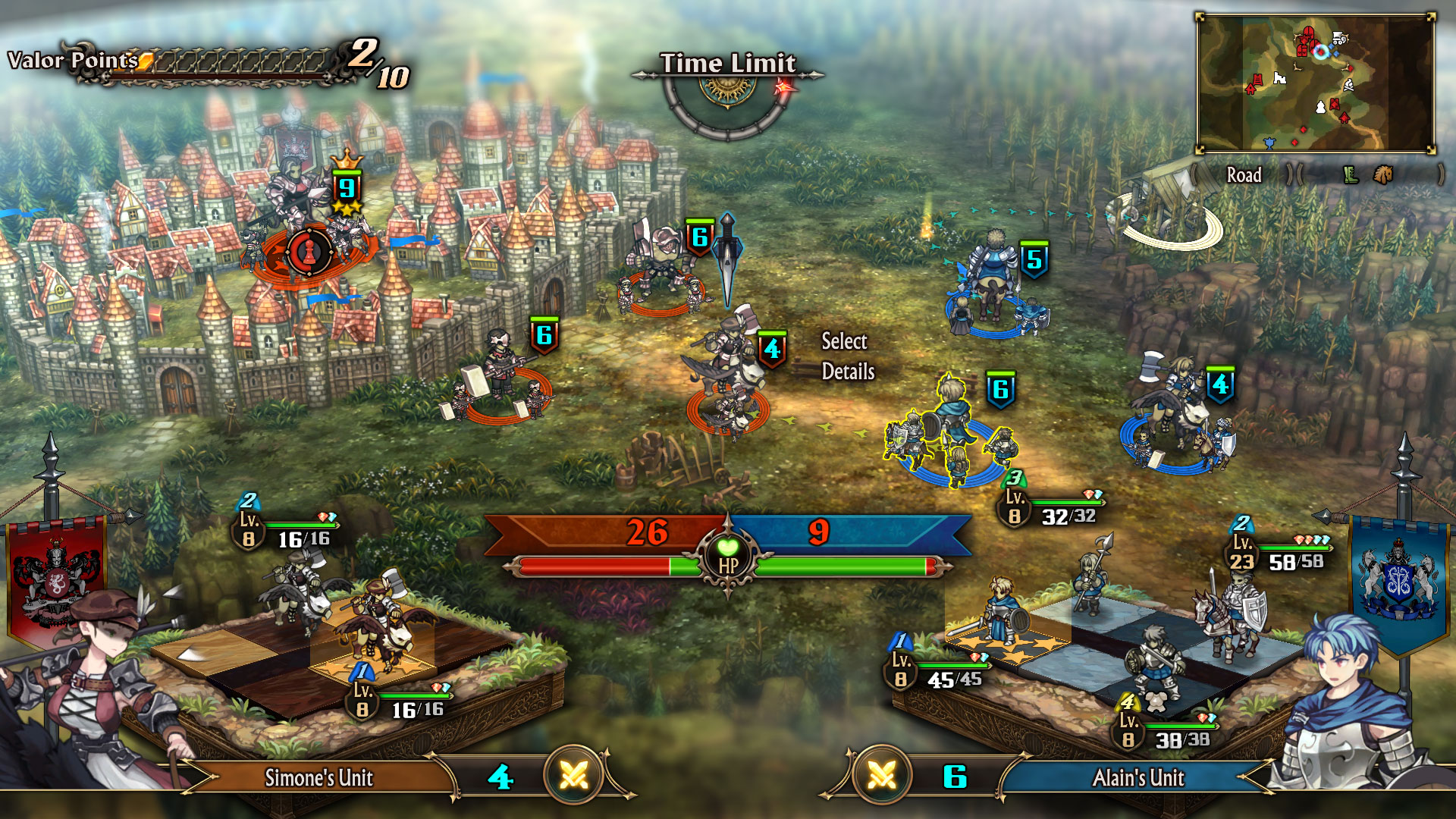
I’m going to clear this point up first: There are no unicorns in this game. It’s a metaphor/the symbol of the royal house of the protagonist.
It’s a game where you assemble an army into squads of 2-5 combatants and then direct them to different goals on a battle map. When they come into contact with an enemy squad, it displays an automatic combat scene based on the combat rules you’ve set for each member of your squad.
So this means you get to control:
- Overall battlefield direction and tactics
- The composition of each squad and what types of units work best together for a particular mission or overall purpose
- The weapons, armor, and accessory powers for each unit in the squad
- The “If this, then that” style of character programming that determines which unit does what and in what order
And you also get married before the end of the game. You get to pick basically any named character in your army, so long as your relationship level with them is strong enough (and while you can have your dude protagonist pick another guy, they are very clear about calling them some variation of good friends).
There’s a big world, lots of variety of units, some compelling character backstories that you develop along the way, and all the micromanaging of your squads is incredibly therapeutic. It is, however, a little more hands off than some of these other examples since you don’t directly control individual attacks.
Final Fantasy Tactics: The Ivalice Chronicles
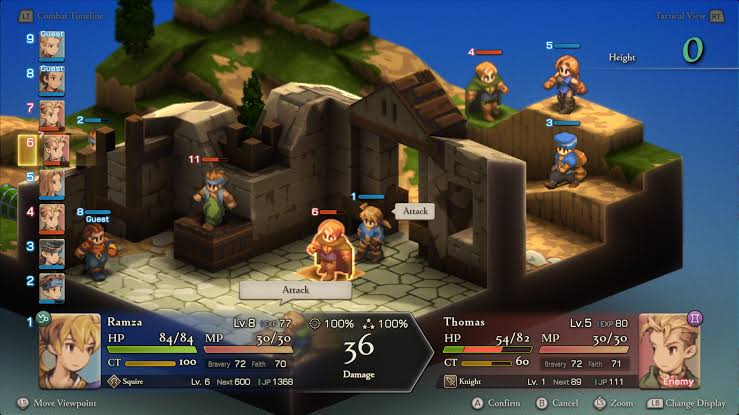
I didn’t own a Playstation back in the day, so this upscaled edition was my first chance to sit with it.
There’s an overworld map that has different locations for you to battle, buy materials, or recruit new soldiers. The centerpiece of this game is the Job System, where you spend experience points to teach individual characters skills that belong to one of many different possible roles they can take on. And there’s a little decision tree screen where you can see what jobs you need to teach them in order to upgrade to a more powerful job later.
Or you can just teach them little things from one job to combine skills across professions into a specifically powerful character.
This has one of the best stories of any Final Fantasy title I’ve played. The main reason is the narration. While there are cut scenes played out using the in-game engine and battlefield locations, there’s also a historian from Ivalice’s future explaining how the story you’re seeing differs from what the accepted truth has been for generations because of the Church’s control of the historical narrative.
So if you’ve ever wanted a swords and sorcery tale narrated by Howard Zinn, have I got a game for you.
Triangle Strategy
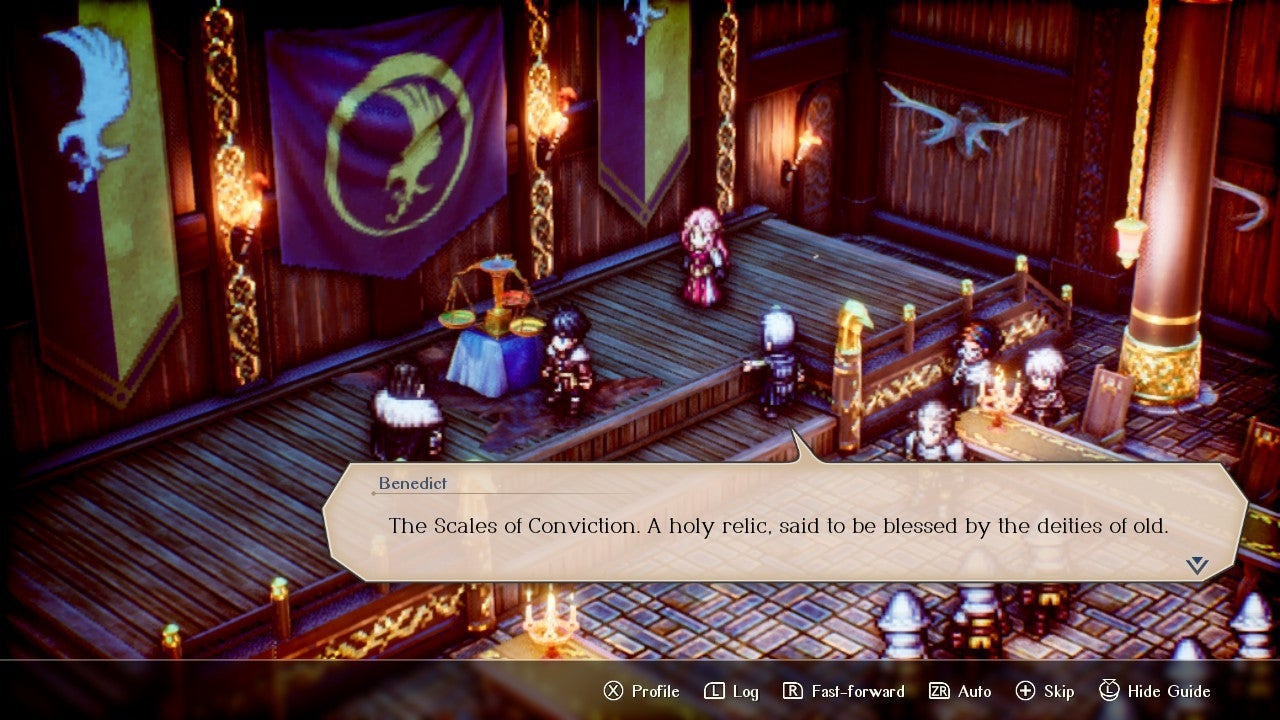
It plays like Final Fantasy Tactics, but its storytelling is vastly different.
The hallmark of this game is the use of the Scales of Conviction. At important story points when the protagonist has to make a choice, seven of your characters give their opinions on which path to take. Your role is not to make the decision for them, but to try to persuade them to agree to your approach.
These conversations involve evidence you uncover while exploring before battles, as well as determining which of many possible arguments are most likely to appeal to the priorities of that character.
Can you convince your magic user bride-to-be that she needs to set aside freeing her people from enslavement to focus on a different set of priorities for now? How do you argue with your father’s master strategist when he’s committed to a plan that stabs every other faction in the back? When your best friend, the king, decides he wants to relinquish the throne and give his entire kingdom over to a neighboring religious theocracy, how do you respectfully tell him he’s being a child and needs to stand against the slaveholding zealots?
There’s multiple endings, and my first play through wound up with an incredibly bittersweet one for my character. And it was deeply felt, because I had spent so much time getting to know these characters, their agendas, their hopes and fears, and I had committed to what I saw as the most morally correct decision. I, personally, wanted to free the Roselle from enslavement and persecution by the state’s religion.
Great stuff.
Fire Emblem: Three Houses
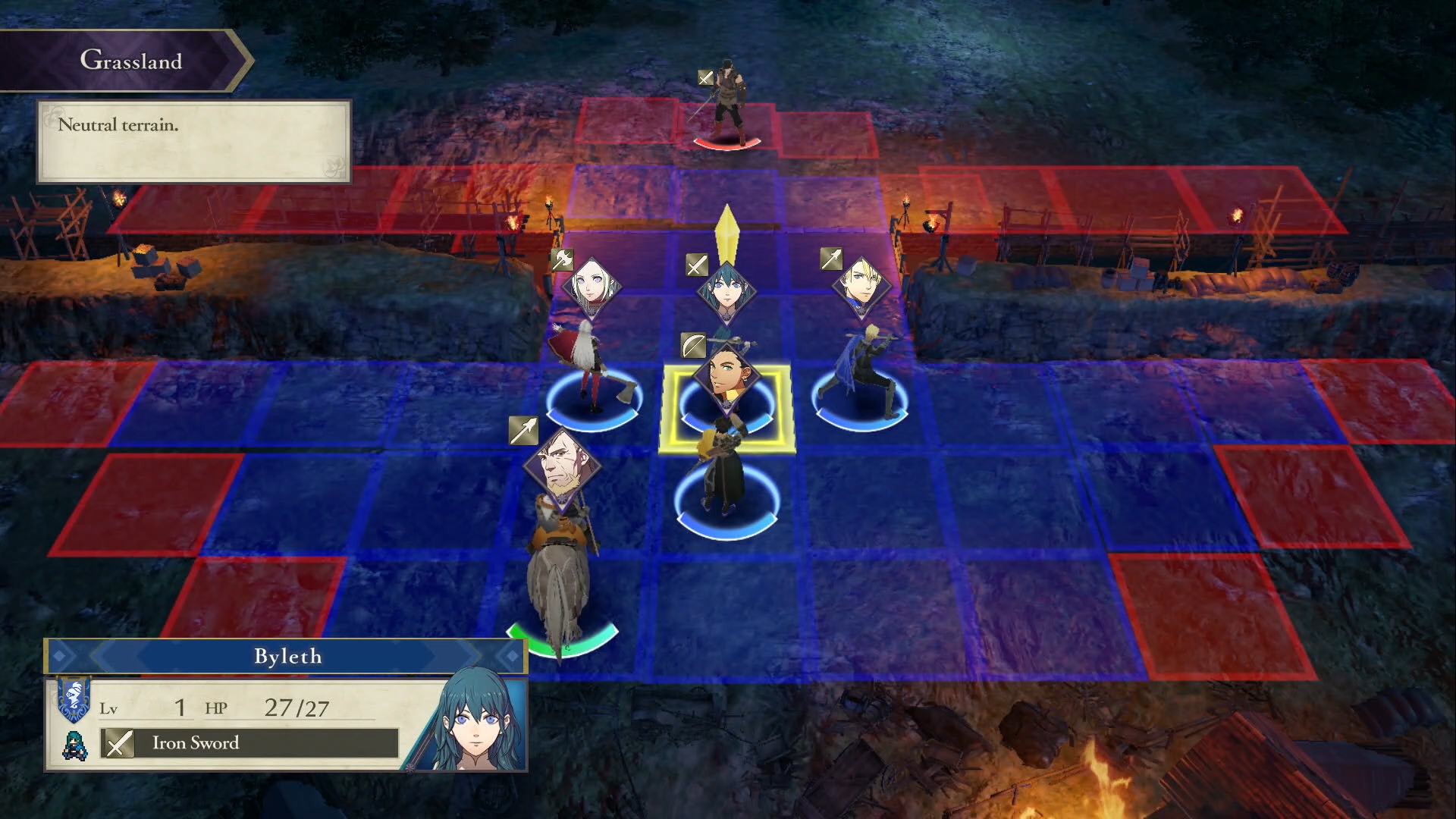
This is my current hyperfocus for game time.
You control individual units on the battlefield, and there are different jobs you can train your units for, but the player character is a teacher at a military university with a secret past.
So yes, there are relationship building mechanics that give you cutscenes and backstory about your students and the other members of your army. And there’s great strategic combat with the high stakes of permadeath for any unit that falls in battle.
But you get to be a teacher at a magical university. It is a simulator for being a magical professor.
And when you assign lessons to your students and direct their studies to help them prepare the skills they need to take on different job classes, you get to watch them improving and showing gratitude for your work as an educator.
When it comes to power fantasies, forget about slaying dragons or piercing the veil of arcane knowledge. No, the power fantasy I want is being a teacher who has all their students do their homework with enthusiasm.
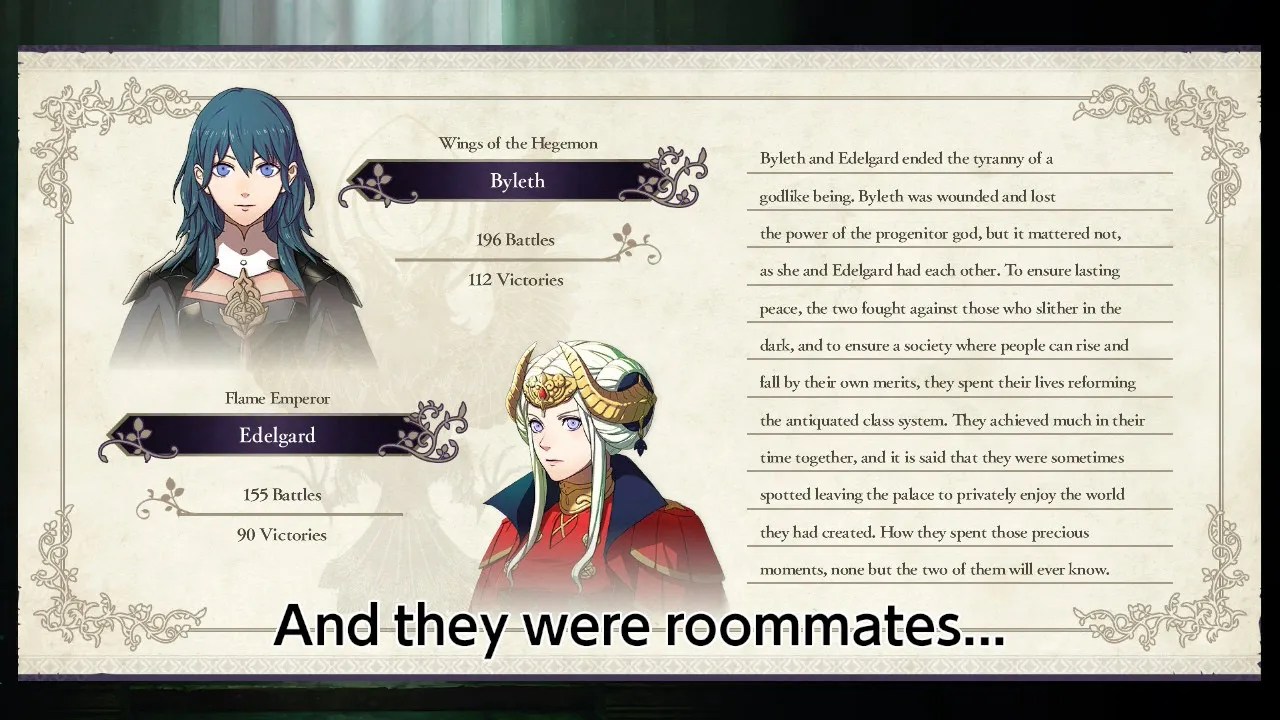
This is another game with branching story paths, but not as many as Triangle Strategy. Also, while there are potential marriages in the game (and side note, you choose the gender of the protagonist at the beginning). This game differs from Unicorn Overlord in that there are LGBTQ pairings that are actually called marriages.
Except for Female Byleth and Emperor Edelgard.
Helpful side note: If you subscribe to the Switch 2’s Online membership, you also have access to two Game Boy Advance Fire Emblem games and one from the Gamecube.


You must be logged in to post a comment.