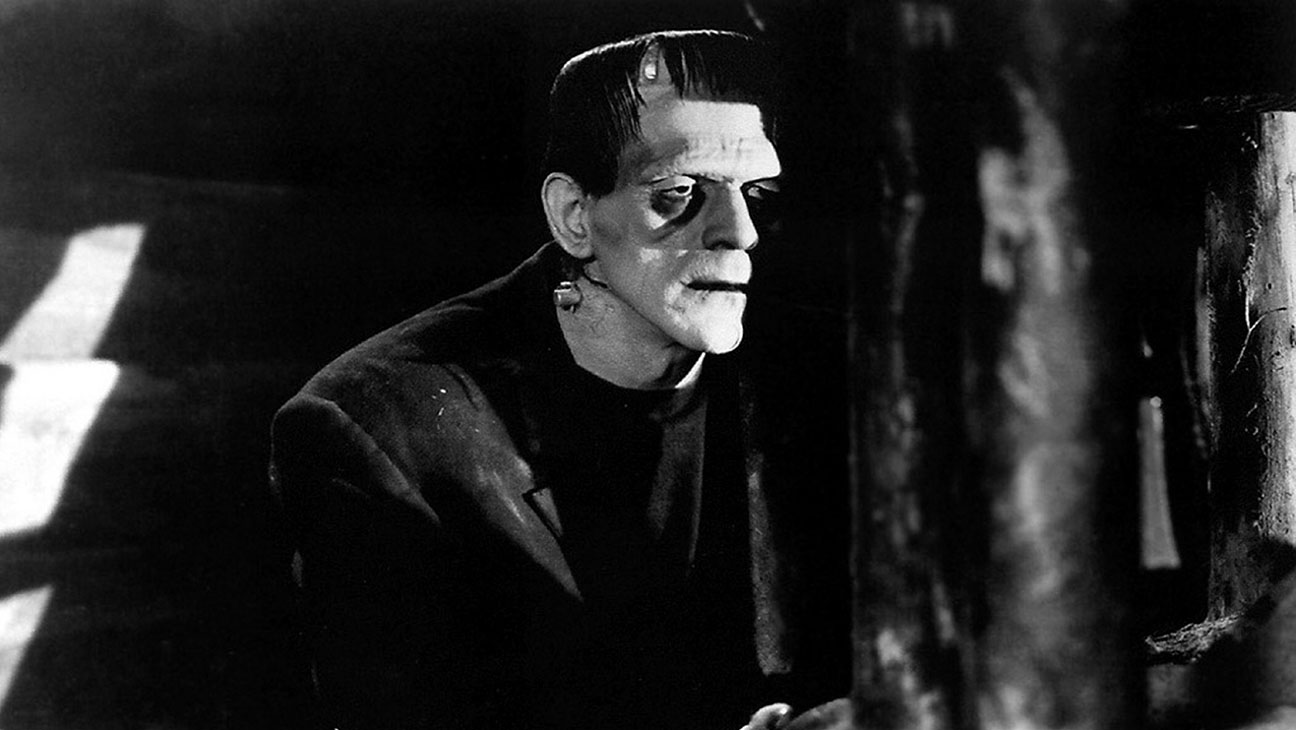
1. Frankenstein

Frankenstein watches from the shadows.

We had plenty of black & white films in our VHS collection when I was younger. I was introduced to Frankenstein and the other Universal Monsters early on. It may be why I like my horror more atmospheric and creepy than violent and gory.

Sure, these can seem cheap and hokey (especially when you get into the sequels, and moments where Abbott and Costello get involved), but there’s genuine menace and emotion in the originals. While Dr. Frankenstein acts as a shorthand for the feared overreach of science, Frankenstein’s monster offers a point of identification for anyone who feels mistreated for simply being who they are when who they are seems different.

Protecting Your Attention

Your attention is one of the most valuable things you possess, which is why everyone wants to steal it from you. First you must protect it, and then you must point it in the right direction.

Austin Kleon, Keep Going

Working on a newsletter a few weeks back, I came across a paper on Critical Ignoring as a required skill for digital information literacy.

Critical ignoring is a type of deliberate ignorance used to filter and block information so a person can reduce their exposure to irrelevant or inaccurate information. It involves redesigning the choice architecture used to engage with the internet, using outside references to validate the quality of information by a source (instead of looking only at the source itself), and disengaging from bad actors.

Why work on intentionally ignoring information? Cited in the paper:

When the world comes to people filtered through digital devices, there is no longer a need to decide what information to seek. Instead, the relentless stream of information has turned human attention into a scarce resource to be seized and exploited by advertisers and content providers. Investing effortful and conscious critical thinking in sources that should have been ignored in the first place means that one’s attention has already been expropriated.

M. Caulfield, Recalibrating our approach to misinformation.

There aren’t any easy answers to how to avoid falling down useless rabbit holes on the internet, especially when lead down them by emotional manipulation. But this paper does connect with a lot of other best practices and puts into focus the idea that the goal shouldn’t be to optimize your information consumption, but to make choices that support the things you already want to do so that you can avoid being redirected from what you value.

Noticing the dead canaries

I read this post from Chris Wilson, and one part clicked for me:

On those wildly busy days, my ego tries to convince me that I don’t have time to stick to my keystone habits of hydration, elevation, meditation, and contemplation. And that’s my signal amongst the noise that it’s time to double down on the habits that “I don’t have time to do.”

When I worked at the Ann Arbor Film Festival I started a habit. I was the first one into the office each morning, so I took a few minutes to put together a quick meme to tape to the front door.

I called it the Physical Blog.

It set the tone for the day. Sometimes it was about pumping people up. Sometimes we needed a good laugh. Whatever it was, I was giving people something to look at each time they came through the door.

And then there was a point I just stopped doing it.

It wasn’t until it hadn’t showed up for a while that someone asked me why. And the realization came: I was feeling stressed about work, and decided I didn’t have time for this little fun thing at the start of the day.

But that was when I needed it the most.

It was a warning signal that other things were going to start falling through the cracks. Tunnel vision was setting in, and instead of prioritizing I was scrambling.

The things you do for yourself, be it making the bed, meditating, exercising, or posting dumb little jokes for your friends… When you cut those out, you’re acting like those things don’t matter.

That other things are more important.

Maybe it’s other people’s needs.

Maybe things you do to get paid.

Whatever it is, if it’s something that brings you joy and helps give you a little boost and feels like an important part of who you are…

Making sure those things get done asserts that you value yourself. It’s putting on your own mask first. Filling up your pitcher before you start pouring it out.

It’s something I’m working re-learning now.
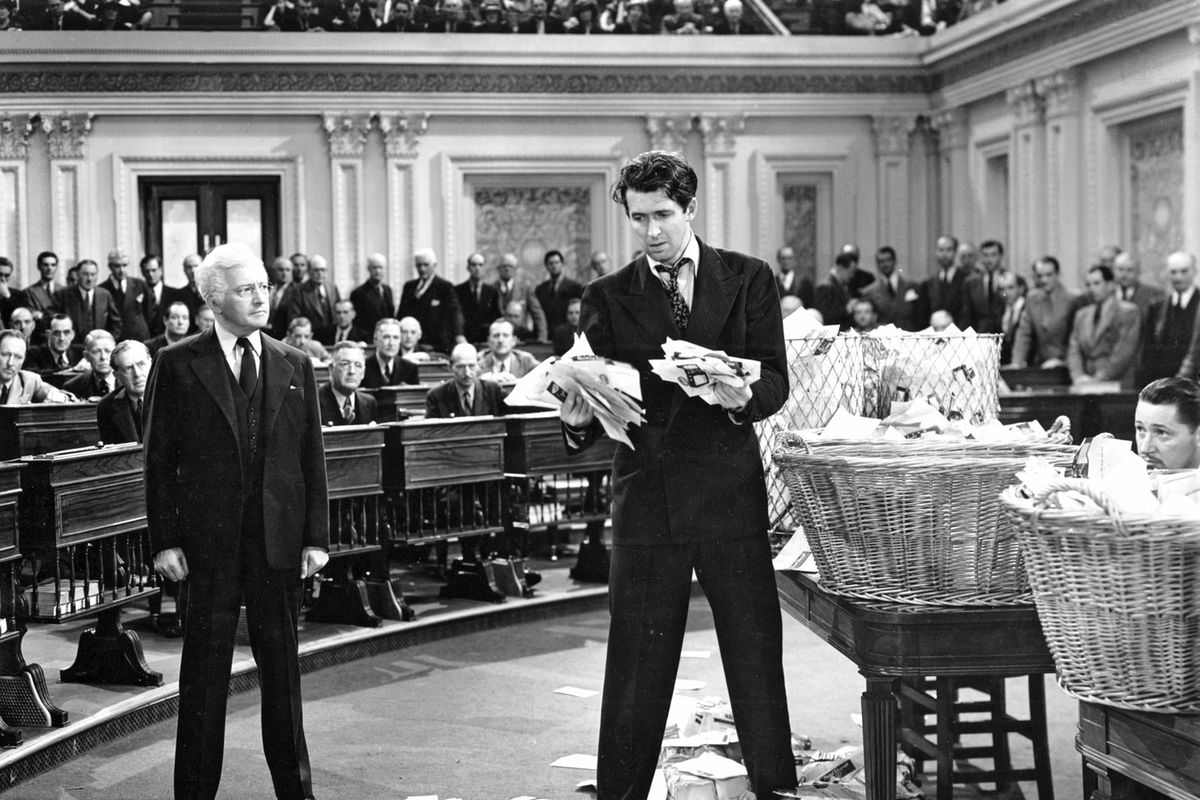
Building wealth vs. The Attention Lottery

I’ve been thinking about social media, sharing content, etc. for work and for myself. Right now when there are a lot of potential Twitter replacements/new players entering the game, it’s easy to want to just jump on board with any or all of them.

There’s also the POSSE concept: Publish (on your) Own Site, Syndicate Elsewhere. I’m generally a fan of this idea.

If the goal is to share things with the hopes of capturing other people’s attention with them, building your own space online is like maintaining an investment portfolio, while putting something up on social media is like buying a lottery ticket.

Sure, every once in a while someone gets the big prize, but it’s about luck as much as anything, (and it doesn’t always end well for winners).

The problem I have (and maybe some other people have this, too) boils down to the dopamine, and the flaws in the brain’s ability to play the long game.

When we think about what hasn’t yet happened, it tends to be abstract. Things right now, on the other hand, we think of in more tangible terms. Several behavioral studies have supported the idea that what we cannot clearly imagine, we value less. We tend to have more intense emotional feelings about things we can imagine vividly. Being depressed doesn’t look like anything in particular, but a vision of a diabetic patient on dialysis can be disturbing. In fact, having depression is generally much worse than having diabetes. Yet people tend to say they’d prefer to get depression. Since future things are similarly thought of more abstractly, we feel less emotional about them and underestimate their value.

Lee and his colleagues confirmed this by looking at people’s brain activity with an fMRI when they’re making decisions about the future. They used a brain decoder to detect a “neural signature of the vividness of prospective thought” and showed that “neural measures of vividness decline as rewards are delayed farther into the future.” Lee had people imagine things that varied in how concrete or abstract they were, and how pleasant and unpleasant they were. “We show that when they see options that are farther in the future, their neural vividness scores decrease,” he said.

On the face of it, this imagination bias, in which future rewards appear less vivid, works against us, because delaying gratification is so useful. A recent analysis suggests that one’s general ability to delay gratification, or to value future outcomes over more immediate ones, predicts greater success in life in a number of areas.

Why Your Brain Isn’t Into the Future, Jim Davies

It’s easy to imagine what a successful social media post looks like. It has a scorecard attached to it.

What does a successful blog look like? What does it look like to have spent years building an audience, a reputation, and consistently showing up to craft more work?

It’s harder to picture. But what can be that kind of middle ground is learning to enjoy the process. Seeing the opportunity to do the work, and the execution of that task, as the rewarding part.

The Can Opener Bridge

I shared a link to 11 Foot 8 Videos (The Can Opener Bridge) in last week’s newsletter. The site holds years worth of videos of a notorious train bridge in the creator’s town. A camera waits patiently, pointed at the intersection until a truck ignores the height warning and attempts to drive through. There’s a lot to appreciate about this site:

  • A reminder that no matter how clearly you post a sign, some people will ignore it.
  • When a person gets stuck under a bridge, their problem is just starting.
  • There’s always a way to make a mistake worse.
  • Car crashes are attention-grabbing, but this particular type has the added benefit of allowing you to enjoy the spectacle knowing that people aren’t actually getting horribly injured or killed.
  • Much like Sideshow Bob stepping on rakes, something that’s funny once can be hilarious if it happens 15+ times.
  • The importance of committing to the bit. This site wouldn’t be nearly as interesting if it didn’t have over 170 videos spanning over a decade.
Seriously, there are over 170 of these videos.